📘 Let's Get Uncomfortable!

Originally published on The Shabbat Drop by Miranda Lapides on January 31, 2025.
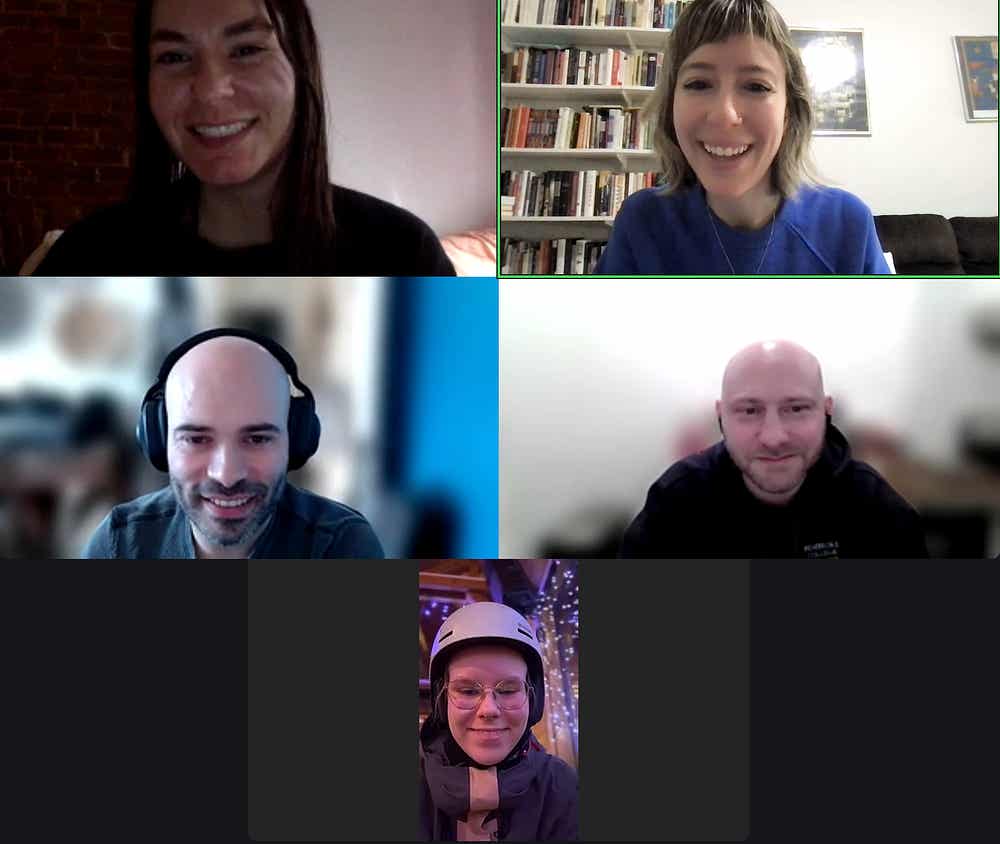
A couple of weeks ago, The Shabbat Drop got uncomfortable (but not really because we’re all Jews lol) with our latest book club discussion, Uncomfortable Conversations with a Jew, by Noa Tishby and Emmanuel Acho!
📘 P.S. Our next book (no date yet) will be The Amen Effect by Sharon Brous. Get your reading started early!
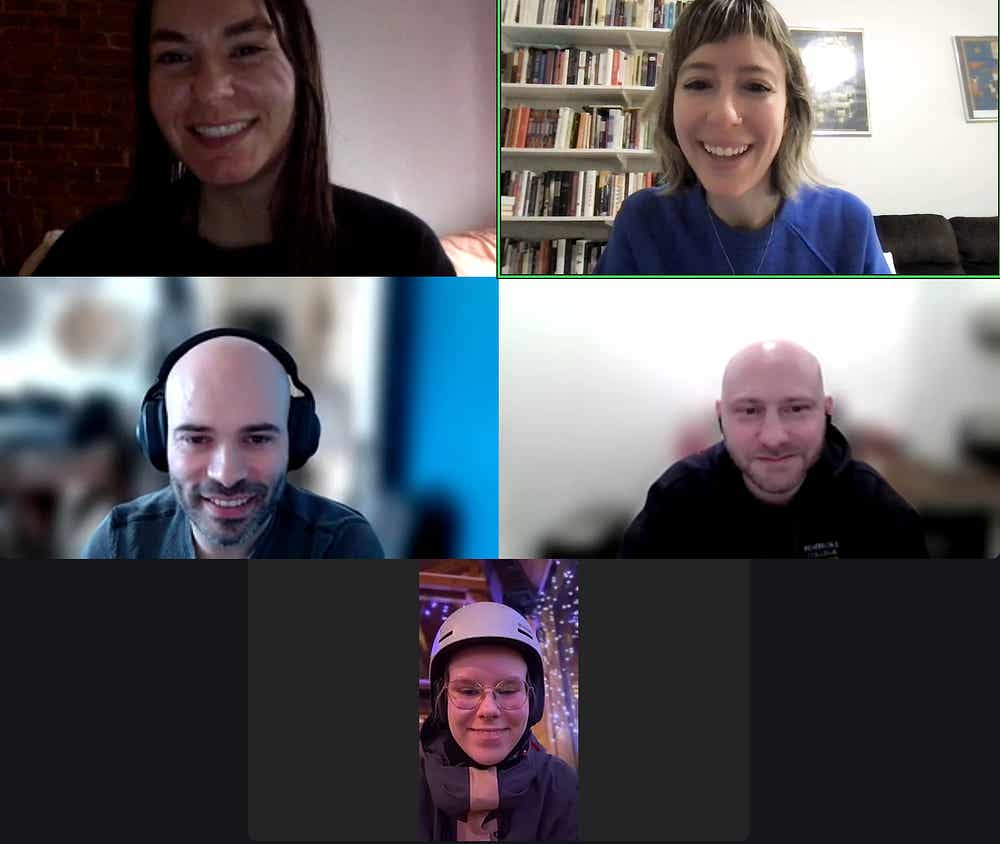
We look awfully happy to be talking about antisemitism!
Uncomfy Convos brings together two friends in dialogue: one Jewish (Noa) one black (Emmanuel) as an educational conversation similar to Emmanuel’s first book, Uncomfortable Conversations with a Black Man.
Noa, a current activist and former actress, producer, and the former Special Envoy for Combating Antisemitism and the Delegitimization of Israel, educates Emmanuel, a former NFL player and current author and producer, on:
-
what a Jew is, and how Jews are an ethnicity but not a race
-
if it’s okay to even call a Jew “a Jew”
-
how Jews are perceived as being too white to some and not white enough to others
-
the history of antisemitism
-
common Jewish tropes and where they come from
-
what Zionism is (and is not)
-
how to be an ally
As soon as I started reading this book, I realized it’s not for Jews. While it could help Jews explain some of these complex topics to non-Jews, it’s most beneficial to people who have burning questions about Judaism/Israel.
At times, it seemed as though Noa was talking for pages on end, giving a lecture on antisemitism. Yes, sometimes Emmanuel would push back, like in the chapter called “How This Book Almost Didn’t Happen.” In that chapter, Noa and Emmanuel explained how they had plans to write this book before 10/7, and then after that tragic day, their friendship became contentious when Emmanuel hosted a pro-Hamas Palestinian on his show after hosting Noa.
I appreciated their candor, how Emmanuel defended his position by saying many of his followers were hurting after he hosted an Israeli on his platform and he wanted to hear from the “other side.” In response, Noa expressed how much pain it caused her to have her friend willingly host someone who supported Hamas’ barbaric actions, and how silent the world was to Jewish pain.
Other than that part, we were hoping for more in-depth back and forth and pushback between the two. Maybe there needs to be a similar book where one Zionist and one anti-Zionist have respectful dialogue and learn from one another. In my dreams!
Let’s Talk About the Holocaust…
It was fascinating how timely this book was to my recent Poland trip! Many of the topics Noa and Emmanuel covered were topics that my friend and I discussed as we toured Jewish historical sites, one example being could the Holocaust happen again? Noa’s take on that was my favorite chapter in the whole book, describing in detail how the Holocaust was first perpetuated by everyday “good” citizens who were led to believe Jews were evil, selfish, and to blame for the economy. It was my favorite chapter because it made me feel less alone and less crazy for wondering this question. Her short answer: yes, not exactly like how it played out, but yes.

That was intense! Let’s take a break to appreciate how hot they are.
What I Learned
Though the book felt basic for me at times, I did learn a couple of things, like that the term “wandering Jew” is NOT a cutesy moniker for Jews wandering the desert or those who are lost in their religious or cultural identity. It comes from medieval Christianity, claiming those who don’t accept Christ are doomed to wander the Earth in perpetual exile.
Fun fact that I now know isn’t fun: The original name of this blog was Modern Jewish Wanderer. Phew… avoided that crisis! Though, there is something powerful about reclaiming tropes and negative connotations, but I personally prefer The Shabbat Drop.
How to Be an Ally
Lastly, I always love a book or piece that ends with actionable items, and Emmanuel and Noa include just that in the chapter titled, “Be a Mensch: Show Up as an Ally.” One tip was to adopt Natan Sharansky’s 3Ds of anti-Israel rhetoric: Demonization, Double Standards, and Delegitimization. If you’re comparing the IDF to Nazis, pointing fingers while ignoring actual genocides going on in the world, or denying Israel’s fundamental right to exist, your language might be antisemitic. That doesn’t mean you can’t criticize the actions of the Israeli government, though! Far from it.
My favorite piece of advice was rather than worrying about how you can stand up for Jews online, go out and enjoy Judaism. Go to a Shabbat dinner. Talk with Jews. Check out a synagogue service (okay I don’t think they said this but why not!). As Noa said, “Judaism is all about being in life, go be in life!”
Something that was said in book club was the emphasis on Jewish victimhood throughout this book. While it’s important to educate and make non-Jews aware of the rising levels of antisemitism around the world in recent years, we need to balance that with what it means to actually be Jewish.
I encourage you to explore that this Shabbos.
Shabbat Shalom!

💦 You might be interested in these similar Drops…
Kosher Duck Revolution is an initiative of AIC. Join AIC. Membership starts at $9 a month.